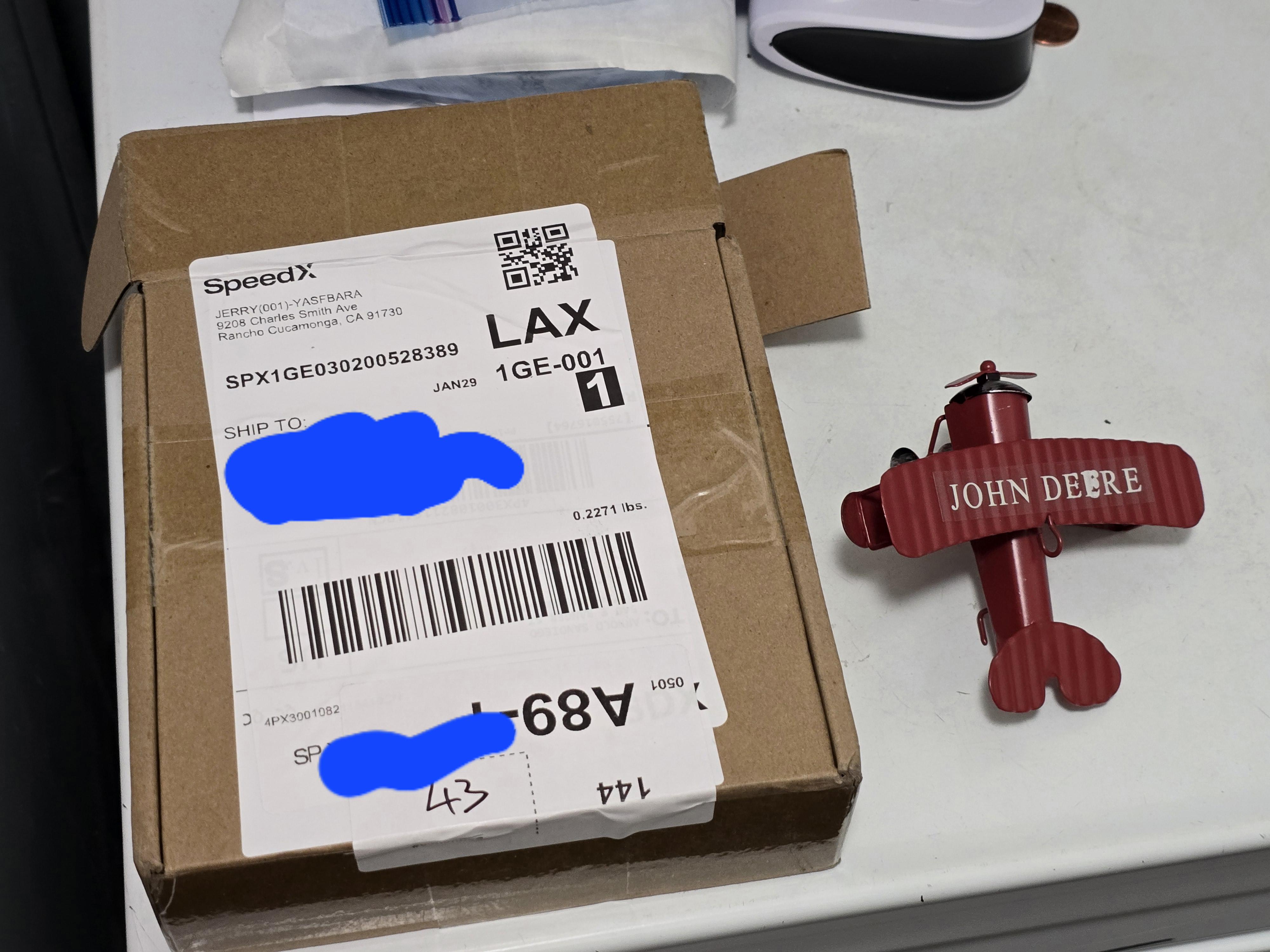
Imagine your doorbell rings and you receive a package you don’t remember ordering. Initially you might think someone sent you a gift or that a family member placed an order.
So you wonder: how did I receive an unknown package that I never ordered?
When nobody admits to ordering anything, then you may have fallen victim to the so-called “brushing scam.”
This is a new form of fraud that has been spreading rapidly in recent years and can hide serious risks for your personal data security.
What exactly is the Brushing Scam?
The brushing scam is a malicious practice used by certain online sellers, primarily from e-commerce stores like Amazon, eBay, and other similar platforms.
These sellers send products to random recipients without having received any order.
It might seem strange, why would someone send free products? The answer lies in how e-commerce platforms work.
The goal is to boost their positive reviews from verified recipients!
How does this scam work?
Let’s explain in simple terms:
- Scammers obtain people’s personal information (names and addresses) through various means, often from data breaches on the internet
- They then create fake accounts on e-commerce platforms using this information
- They purchase their own products and ship them to the addresses they’ve collected
- Once the package is delivered, they can write “verified” reviews for their products
- Positive reviews boost the product and store ratings, causing them to appear higher in search results
Why should we be concerned?
While you might think “OK, I got a free product, what’s the harm?”, there are serious reasons for concern:
- Personal Data: The fact that someone has your name and address means your personal information is circulating on the internet without your consent
- Identity Risk: Scammers may use your details for other purposes, such as opening bank accounts or credit cards
- Dangerous Products: The products you receive may not meet safety standards or could be hazardous to your health
- Illegal Activity: Your name is being used in illegal activities without your consent
What should you do if you receive such a package?
Don’t panic, but follow these steps:
- Record all package information: where it came from, which company sent it, what it contains, date of receipt
- Contact the e-commerce platform (e.g., Amazon, eBay) and report the incident if you can identify which platform sells the product
- Carefully check your bank accounts for any suspicious charges
- Immediately change passwords on all your online accounts
- Notify the police or cybercrime division if the package contains anything illegal
How to protect yourself in the future:
- Monitor your bank accounts regularly (at least once a week)
- Use different, strong passwords for each of your online accounts
- Enable two-factor authentication wherever possible
- Keep a record of all your online orders
- Don’t share your personal information on websites you don’t trust
- Use a good antivirus program on your computer
Important Note
According to Greek law, you are not obligated to pay for or return products you did not order. However, it is important to report the incident to the relevant authorities to protect yourself and other consumers from similar scams.